Designing a Pilates studio isn’t just about creating a functional space—it’s about building an environment that encourages focus, enhances movement, and promotes overall well-being. A thoughtfully designed studio has the power to make clients feel comfortable while ensuring they have everything they need for a seamless practice. From the layout to the finishing details, every decision plays a vital role in crafting an inviting and purposeful Pilates studio.
1. Layout and Flow: A Space That Encourages Effortless Movement
The layout is the foundation of any Pilates studio. A well-planned space allows for smooth transitions between exercises, ensuring both instructors and clients feel at ease. Open areas for mat exercises should be free of obstructions, while reformer machines and other equipment need to be strategically placed to avoid congestion. A layout that feels intuitive can significantly enhance the client experience, as it helps them focus on their practice rather than maneuvering around the room.
Dividing the studio into clear zones is essential. For instance, designate one area for group sessions and another for private one-on-one training. This ensures that clients working in different formats feel equally valued and comfortable. Additionally, leaving sufficient space around each piece of equipment not only supports safe movement but also makes the studio feel more expansive.
2. Lighting: Creating the Right Ambiance
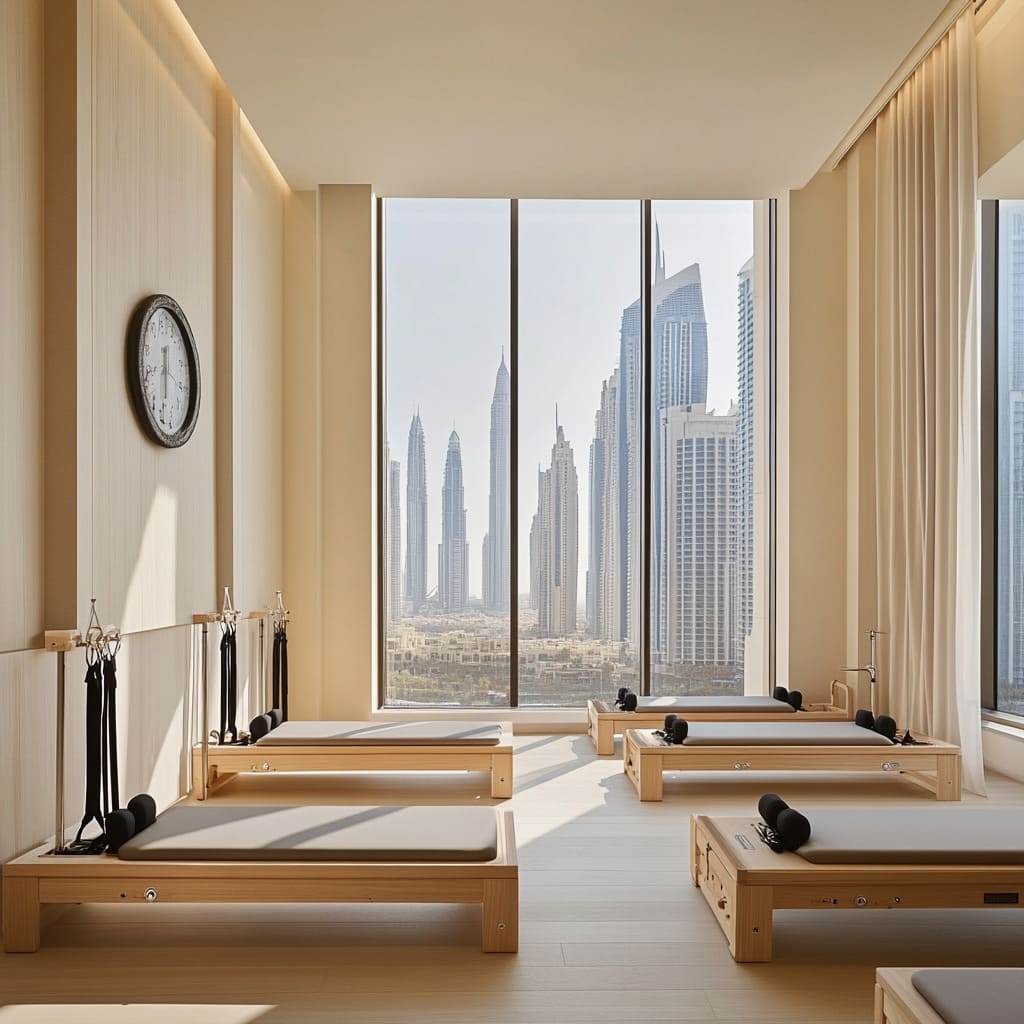
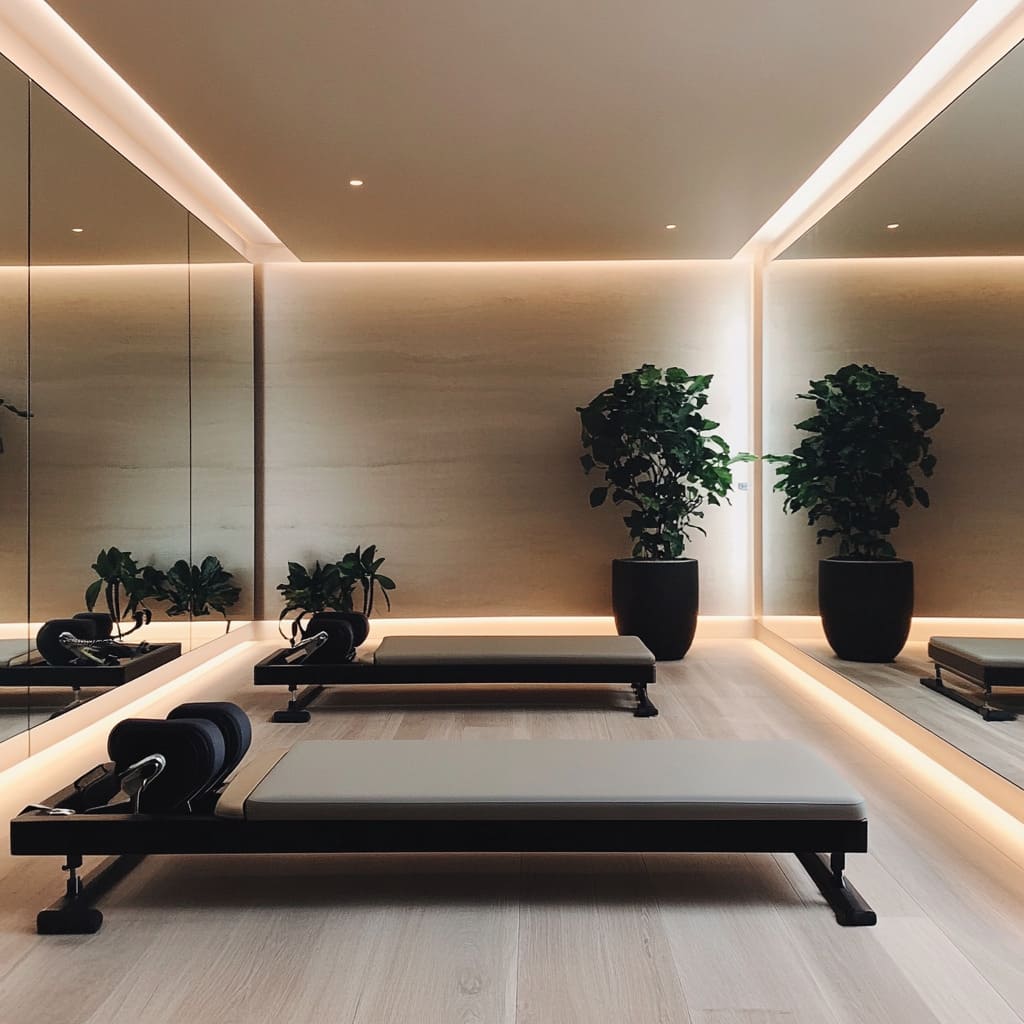
Lighting plays a critical role in shaping the atmosphere of a Pilates studio. Natural light is often the ideal choice, as it brings warmth and vitality to the space. Large windows or skylights can flood the room with daylight, which helps clients feel more energized and connected to their surroundings. However, it’s equally important to manage glare and harsh shadows to maintain a comfortable environment.
When natural light isn’t an option, artificial lighting should be carefully selected. Soft, dimmable fixtures can mimic the calming effect of daylight, allowing instructors to adjust brightness according to the mood or type of class. Avoiding fluorescent lighting is key, as its harshness can detract from the sense of calm and focus that Pilates demands. Layering different types of light—overhead, task, and accent—ensures the studio remains functional while retaining a welcoming feel.
3. Flooring: Combining Functionality and Comfort
Pilates involves a range of movements that require stability and comfort, making flooring a crucial element. Non-slip materials such as rubber or cork are excellent options, offering the right balance of support and grip to prevent injuries. These materials are also durable, ensuring the studio can handle high foot traffic and the demands of regular classes.
Beyond functionality, the aesthetic appeal of the flooring shouldn’t be overlooked. Light-colored or neutral-toned surfaces can make the studio appear brighter and more spacious, complementing the calm and focused energy that Pilates embodies. In spaces where equipment is regularly moved, floor protection pads or similar solutions can maintain the flooring’s appearance while reducing noise.
4. Color Palette: Balancing Energy and Relaxation
A well-chosen color palette sets the tone for a Pilates studio. Neutral tones like soft whites, warm greys, and gentle beiges provide a soothing backdrop that allows clients to center their attention on their practice. These colors create an atmosphere of balance, helping to calm the mind while keeping the space visually cohesive.
Introducing subtle accent colors can add personality without overwhelming the room. Shades like muted blues or earthy greens can provide visual interest while maintaining a sense of calm. By choosing a palette that feels natural and cohesive, you create an environment that encourages clients to immerse themselves fully in their practice.
5. Equipment Placement: Optimizing Functionality
The arrangement of equipment can make or break the flow of a Pilates studio. Machines such as reformers should be spaced evenly, leaving enough room for clients to move comfortably while also ensuring easy access for instructors. Placing mats and props in a designated area keeps the space tidy and allows for quick transitions between exercises.
In smaller studios, creative solutions like wall-mounted storage for props or foldable equipment can save valuable space. Keeping pathways clear is essential, both for safety and to maintain an open, inviting feel. Thoughtful placement ensures that every inch of the studio is used efficiently, enhancing both functionality and aesthetics.
6. Mirrors: Enhancing Focus and Expanding Space
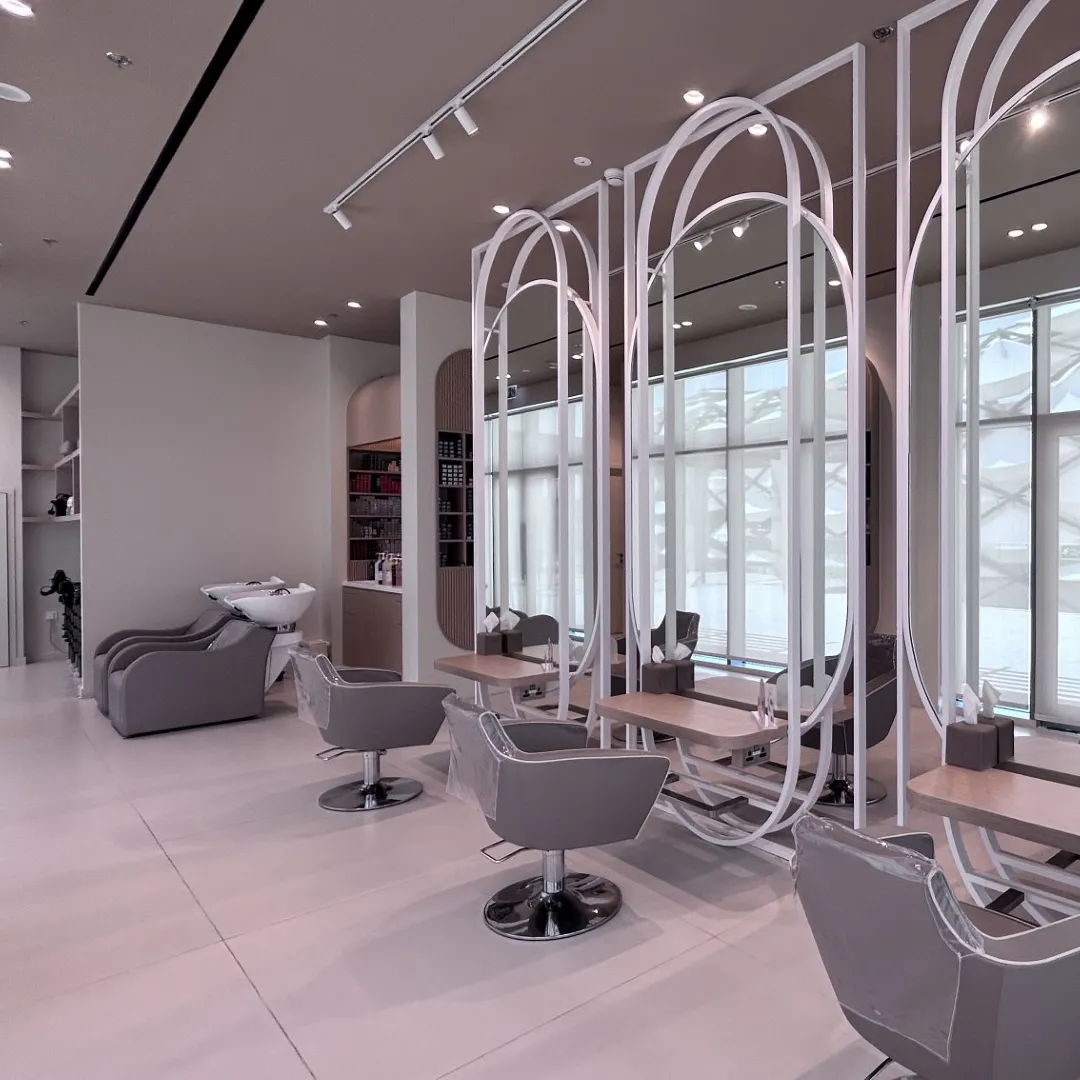
Mirrors are a valuable addition to any Pilates studio. They help clients monitor their form and alignment during exercises, ensuring they get the most out of their practice. Placed strategically, mirrors can also make the space feel larger and more open, which is particularly beneficial in smaller studios.
However, overusing mirrors can create a cold or clinical atmosphere. To strike the right balance, consider limiting mirrors to key walls or areas where alignment is most critical. Avoid placing mirrors where they reflect harsh lighting or distractions, as this can detract from their intended purpose.
7. Storage Solutions: Keeping Things Organized
A clutter-free space is essential for a Pilates studio, as it allows clients to focus fully on their practice. Smart storage solutions like built-in shelving, hidden compartments, or modular units can keep props, towels, and other accessories out of sight while remaining easily accessible.
Choosing storage options that complement the studio’s overall design ensures a cohesive look. For instance, sleek wooden cabinets or open shelving with woven baskets can add both functionality and charm. Keeping the space tidy not only improves aesthetics but also reinforces a sense of professionalism.
8. Acoustics: Maintaining a Peaceful Environment
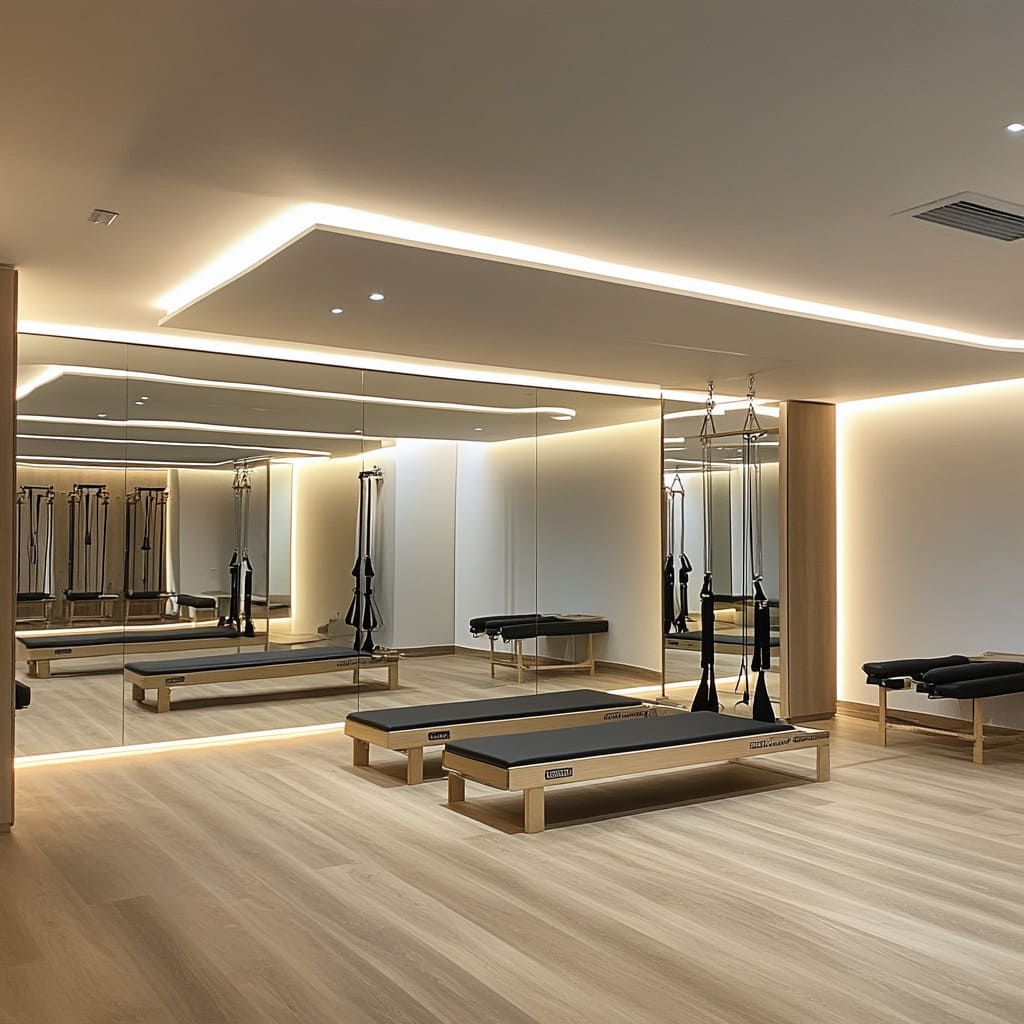
The right acoustics are often overlooked in studio design, but they can greatly impact the overall experience. Pilates requires concentration, and external noises or echoes can be distracting. Adding soundproofing materials such as acoustic panels, thick rugs, or heavy curtains can minimize disruptions and create a quiet, focused space.
Soft background music is a great way to enhance the mood, but it’s important to invest in a high-quality sound system to ensure clarity and balance. Avoiding overly loud or sharp sounds maintains the calm atmosphere that clients expect from a Pilates studio.
9. Decor and Branding: Reflecting Identity
Décor isn’t just about aesthetics—it’s an opportunity to express the studio’s personality and make a lasting impression on clients. Adding a few intentional elements, such as framed motivational quotes, artwork, or indoor plants, can bring warmth and character to the space. However, minimalism should guide these choices to avoid overwhelming the room.
Incorporating branding elements like a cohesive color scheme, logo placement, or custom signage helps reinforce the studio’s identity. A well-branded space feels professional and inviting, building trust and loyalty among clients.
10. Client Comfort: Prioritizing Small Details
A Pilates studio should cater to more than just exercise—it should make clients feel cared for at every step. A welcoming reception area with comfortable seating sets the tone as soon as they walk in. Adding amenities like lockers, water stations, and private changing rooms ensures a seamless experience.
Small details, such as soft towels, aromatherapy diffusers, or neatly arranged props, can elevate the space and leave a lasting impression. Paying attention to these finer points demonstrates a commitment to client satisfaction and creates a welcoming atmosphere.
11. Sustainability: Designing Responsibly
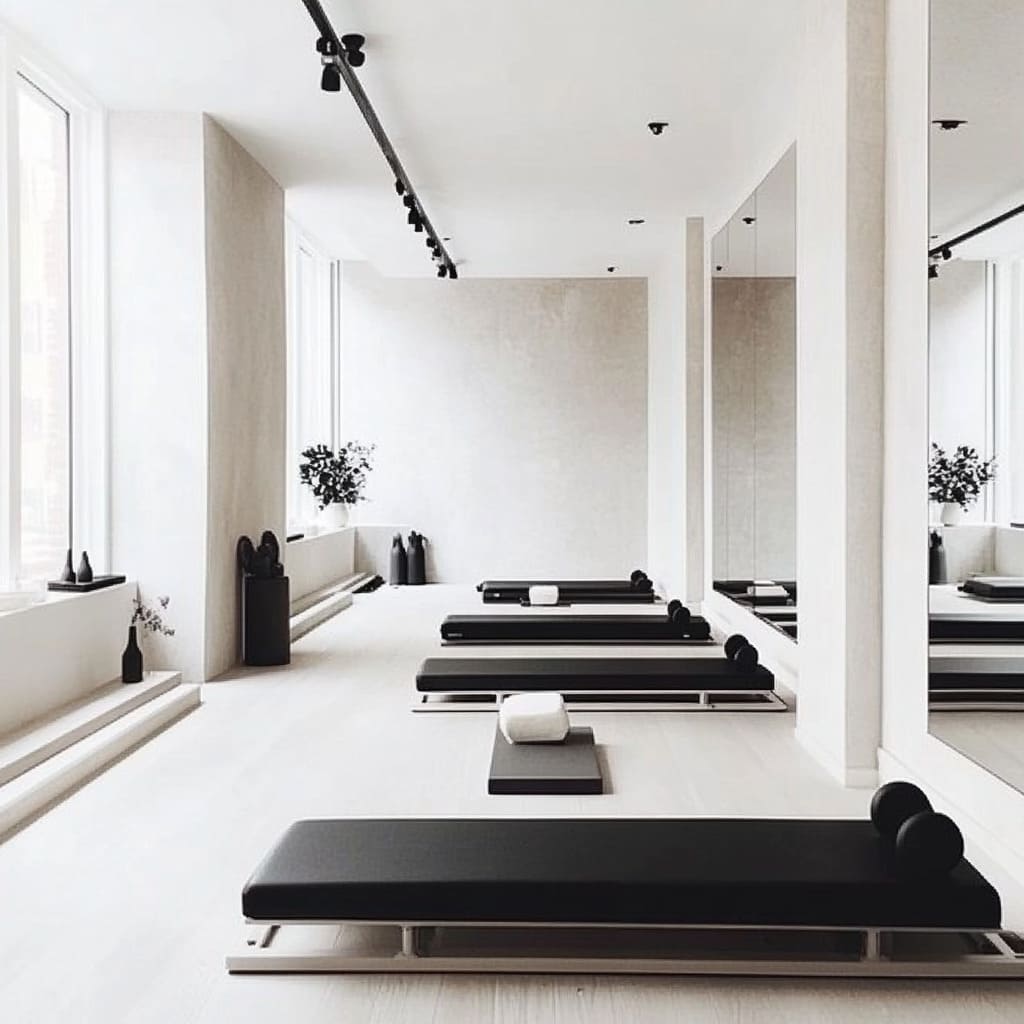
Sustainable design is becoming increasingly important, especially in wellness spaces like Pilates studios. Using eco-friendly materials for flooring, furniture, and décor not only reduces environmental impact but also aligns with the values of health-conscious clients. Energy-efficient lighting and proper ventilation systems can further minimize the studio’s carbon footprint.
By making thoughtful choices, studio owners can create a space that’s not only beautiful but also responsible, resonating with clients who value environmentally friendly practices.
12. Final Touches: Adding Personality
The finishing touches bring a Pilates studio to life. Whether it’s a unique light fixture, custom signage, or carefully selected furniture, these elements can make the space feel truly special. Adding local artwork or handmade décor items can further enhance the studio’s individuality.
Gathering feedback from clients can also provide valuable insights into how the space might be improved. Personal touches show that the studio is designed with care, creating an environment where clients feel valued and supported.
Conclusion: A Studio Designed for Wellness
Every element of a Pilates studio contributes to the overall experience. From the layout to the finishing touches, thoughtful design choices can transform a simple space into a haven for movement and focus. By prioritizing functionality, comfort, and style, studio owners can create an environment that clients will return to time and again.